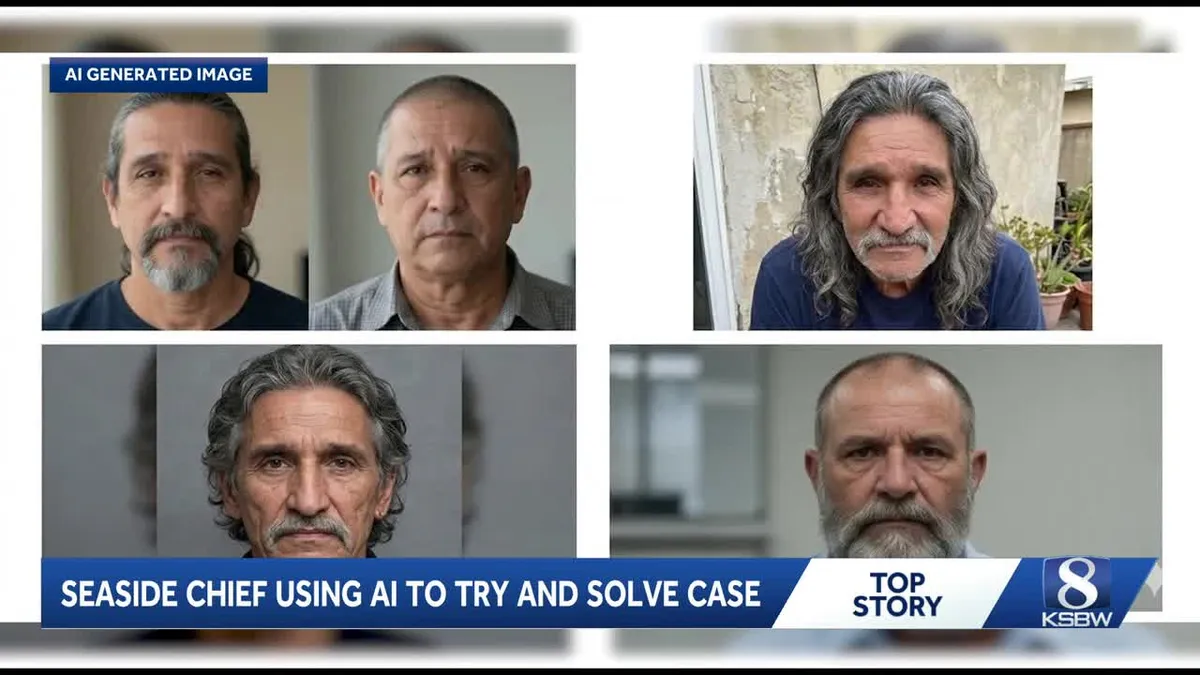
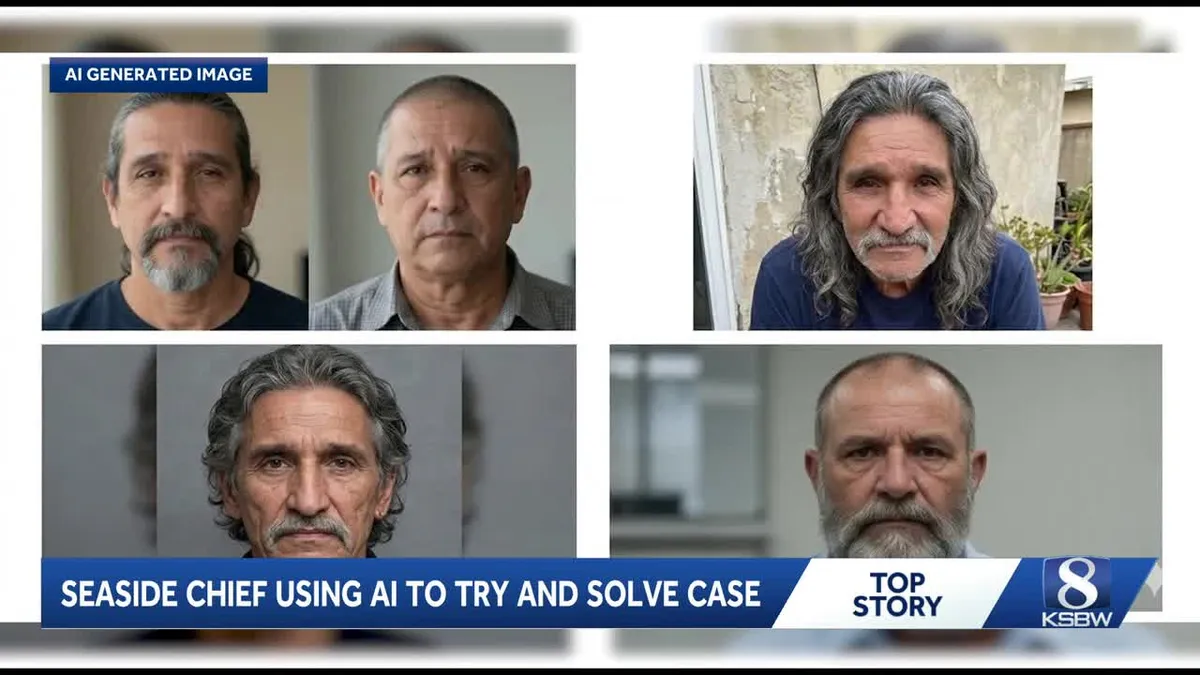
في خطوة مبتكرة تسعى لتحديث أساليب التحقيق، بدأت شرطة مدينة سيسايد في استخدام تقنيات الذكاء الاصطناعي (AI) للمساعدة في إعادة فتح قضية قتل باردة تعود لعام 1997. تأمل هذه المبادرة أن توفر أدوات تحليلية جديدة وفرصًا قد تكون غائبة عن الطرق التقليدية في كشف ملابسات جريمة وقعت قبل أكثر من عقدين من الزمن، مما يفتح باب الأمل لعائلة الضحية في الحصول على العدالة.
تستكشف جهود الشرطة هذه كيف يمكن للتكنولوجيا المتطورة أن تلعب دوراً حاسماً في حل الجرائم القديمة التي غالباً ما تواجه تحديات بسبب فقدان الأدلة أو تراجع ذاكرة الشهود. يمثل استخدام الذكاء الاصطناعي في هذه القضية تحولاً نحو الاعتماد على البيانات الضخمة والتعلم الآلي لتحليل المعلومات المتاحة بطرق ربما لم تكن ممكنة في السابق.
تطبيق الذكاء الاصطناعي في التحقيقات الجنائية
يمكّن الذكاء الاصطناعي المحققين من معالجة كميات هائلة من البيانات، بما في ذلك السجلات القديمة، شهادات الشهود، الصور، وحتى مواقع الإنترنت الأرشيفية، بكفاءة تفوق القدرات البشرية. يمكن لهذه الأنظمة تحديد أنماط وعلاقات قد لا تكون واضحة للمحللين البشريين، وربط الأدلة المتفرقة بطرق جديدة. في سياق قضية عام 1997، يمكن للذكاء الاصطناعي تحليل التفاصيل الدقيقة في مسرح الجريمة، مقارنة أوصاف المشتبه بهم ببيانات موجودة، أو حتى محاكاة سيناريوهات مختلفة بناءً على المعلومات المتاحة.
 The potential applications for AI in law enforcement are vast, ranging from predictive policing to forensic analysis. In cold cases, AI can be particularly useful in sifting through voluminous case files, identifying potential leads that might have been overlooked due to human error or the sheer volume of information. Algorithms can be trained to recognize subtle inconsistencies in testimonies or to match forensic evidence against databases that have expanded significantly since the crime occurred. This technological leap is not about replacing human investigators but augmenting their capabilities, allowing them to focus on critical decision-making and strategic thinking.
التحليل البصري للمعلومات والبيانات
تتضمن إحدى التطبيقات الرئيسية للذكاء الاصطناعي القدرة على تحليل الصور ومقاطع الفيديو بدقة فائقة. في قضية قتل من عام 1997، قد تكون هناك صور فوتوغرافية قديمة أو لقطات فيديو محدودة متاحة. يمكن لأدوات الذكاء الاصطناعي تحسين جودة هذه المواد، وإجراء التعرف على الوجوه أو الأجسام، وحتى استخلاص معلومات مكانية وزمانية قد تكون حاسمة. على سبيل المثال، يمكن تحليل صور السيارات المشبوهة أو الأشخاص الظاهرين في الخلفية بدقة أكبر.
 Furthermore, AI can assist in reconstructing crime scenes virtually, allowing investigators to explore different possibilities and angles without physically disturbing potential evidence. By inputting data such as witness descriptions, forensic reports, and crime scene sketches, AI can generate 3D models that offer a comprehensive view of the events. This immersive approach can help uncover spatial relationships and potential escape routes that might be missed in traditional two-dimensional analyses. The technology also aids in facial recognition, comparing grainy old photographs or sketches with modern databases to identify potential suspects or witnesses.
استعادة البيانات الرقمية وتحليلها
مع مرور الوقت، قد تتدهور الأقراص الصلبة القديمة أو الوسائط التخزينية الرقمية. يمكن لتقنيات الذكاء الاصطناعي المتقدمة أن تساعد في استعادة البيانات التالفة أو المفقودة من هذه المصادر، مما قد يكشف عن معلومات حيوية لم تكن متاحة سابقًا. يشمل ذلك رسائل البريد الإلكتروني، سجلات المكالمات، أو أي بيانات رقمية أخرى تم إنشاؤها أو تخزينها في وقت وقوع الجريمة. يمثل هذا جانباً مهماً حيث أن الكثير من المعلومات الحديثة أصبحت متاحة رقمياً.
 The ability of AI to process and analyze natural language is another crucial component. Witness testimonies, even if recorded years ago, can be analyzed for linguistic patterns, emotional cues, or inconsistencies that might indicate deception or provide further context. AI can cross-reference statements from different witnesses, identifying commonalities or discrepancies that warrant further investigation. This linguistic analysis can provide a deeper understanding of the events and the people involved, going beyond the literal meaning of words to uncover hidden meanings and motivations.
تحديات وفرص مستقبلية
على الرغم من الإمكانيات الواعدة، فإن تطبيق الذكاء الاصطناعي في حل القضايا الجنائية القديمة لا يخلو من التحديات. تشمل هذه التحديات ضمان دقة البيانات المدخلة، والحاجة إلى خبراء متخصصين لتفسير نتائج الذكاء الاصطناعي، بالإضافة إلى القضايا الأخلاقية المتعلقة بالخصوصية واستخدام هذه التقنيات. ومع ذلك، فإن الفوائد المحتملة في تحقيق العدالة وإغلاق القضايا التي طال أمدها تجعل هذه الجهود تستحق الاستكشاف.
 The implementation of AI in cold case investigations represents a significant paradigm shift. It moves beyond traditional investigative methods that rely heavily on human memory and manual data processing. By leveraging AI, law enforcement agencies can breathe new life into dormant cases, potentially bringing closure to victims' families and offenders to justice. The success of this initiative in Seaside could pave the way for wider adoption of similar AI-driven strategies across the country, transforming the landscape of forensic science and criminal investigation.
الخاتمة: لمسة من الأمل في قضية قديمة
في حين أن نتائج استخدام الذكاء الاصطناعي في قضية جريمة القتل لعام 1997 لم تتضح بعد، فإن هذه الخطوة تمثل دليلاً على التزام شرطة سيسايد بالبحث عن سبل مبتكرة لتحقيق العدالة. إن دمج التكنولوجيا المتقدمة في التحقيقات الجنائية يفتح آفاقاً جديدة ويقدم بصيص أمل لأولئك الذين ينتظرون إجابات منذ سنوات طويلة، مؤكداً أن التقدم التكنولوجي يمكن أن يكون حليفاً قوياً في سعينا لكشف الحقائق.
 The ongoing investigation will likely involve a meticulous review of all existing evidence through the lens of advanced AI algorithms. This includes analyzing witness statements, crime scene photographs, and any forensic data collected decades ago. The hope is that AI can identify new connections, patterns, or overlooked details that could lead to a breakthrough. This effort underscores the evolving nature of criminal investigations, where technology plays an increasingly vital role in solving complex and long-standing mysteries.